 DIY
67 tips · Small tricks. Big impact.
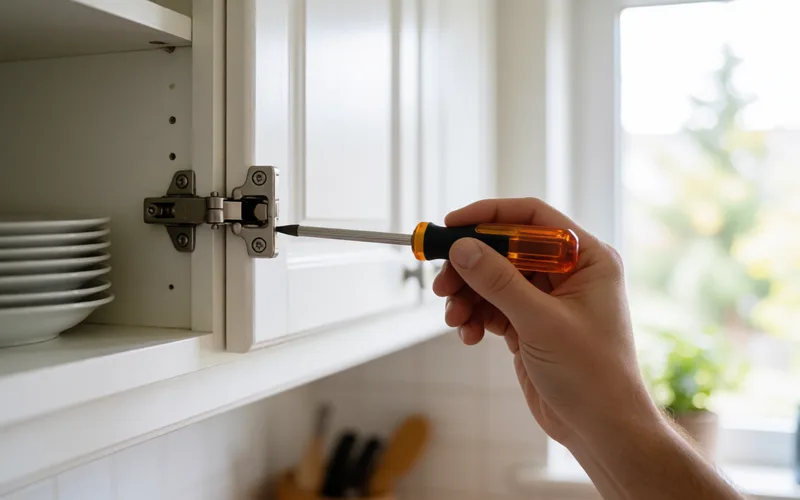 Adjust a cabinet door at the hinge
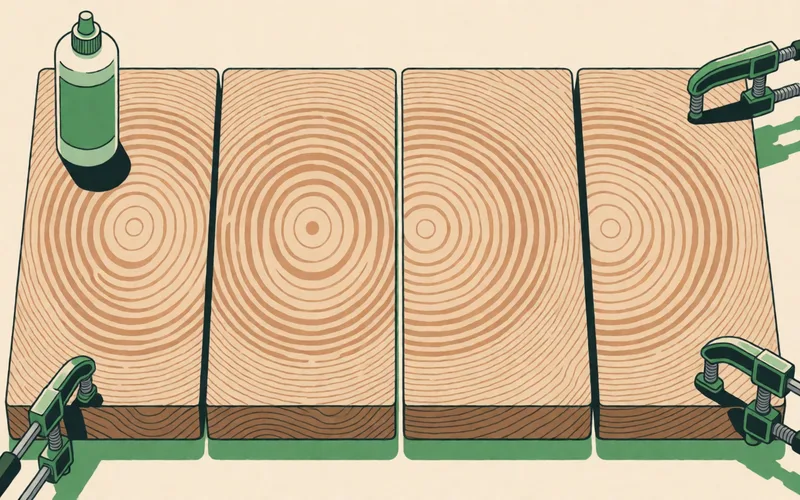 Alternate board orientation when gluing up a panel
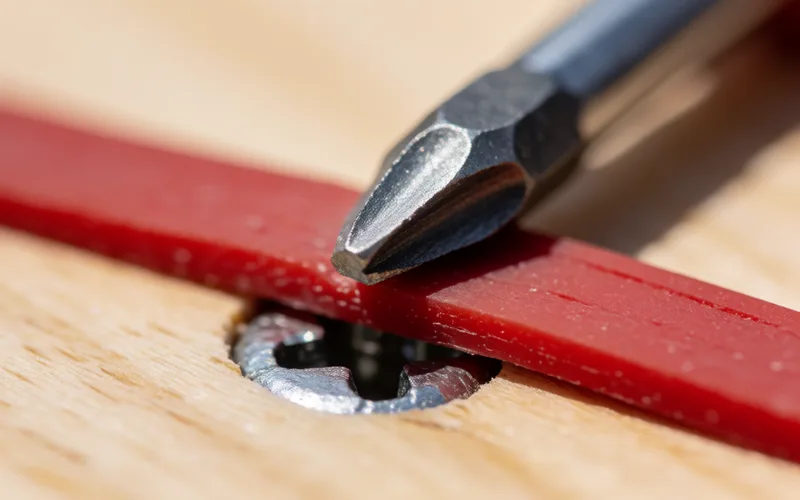 Back out a stripped screw head with a rubber band
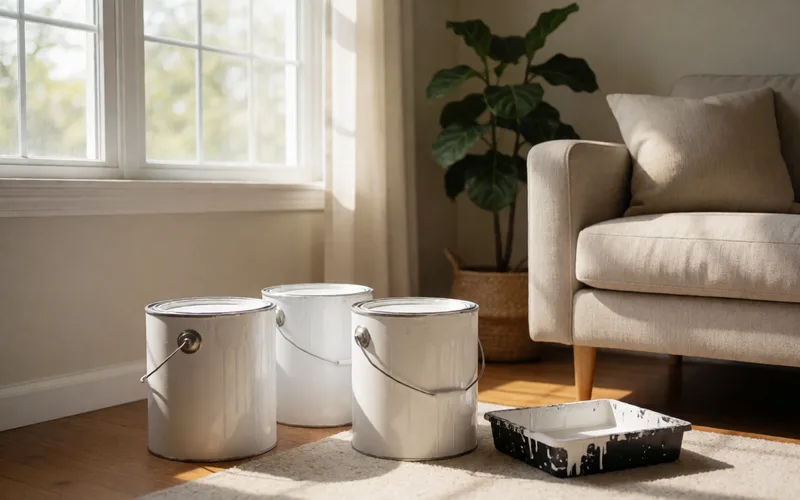 Bring wall paint to room temperature before painting
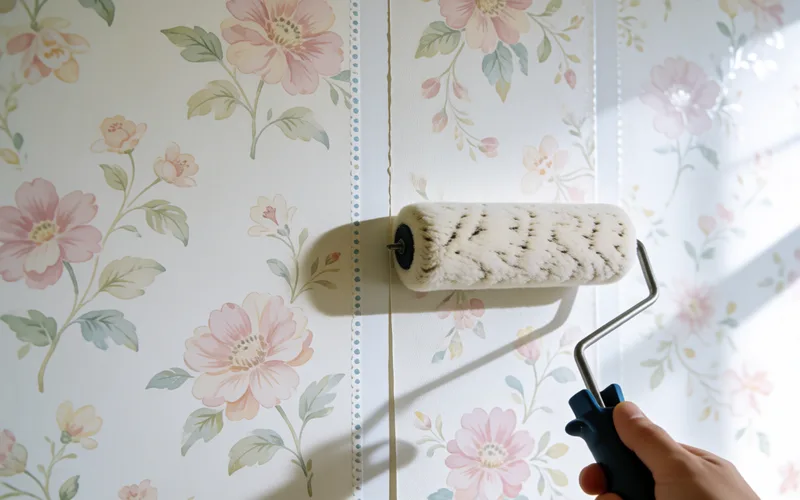 Butt wallpaper seams instead of overlapping them
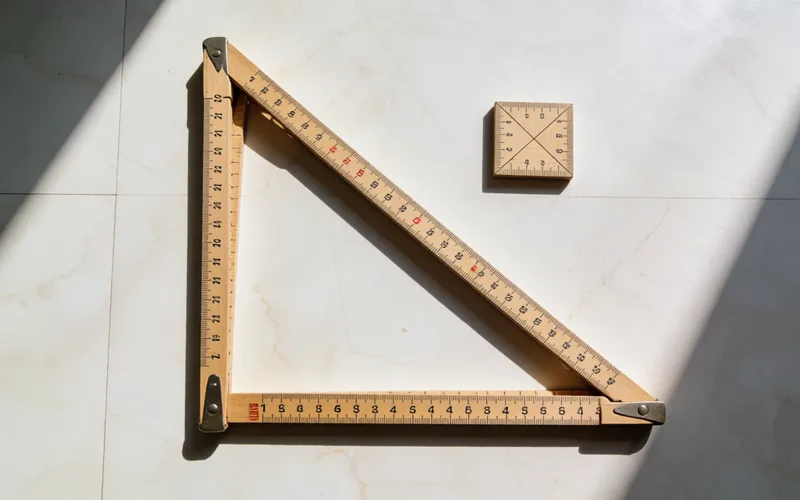 Check a right angle with the 3-4-5 rule
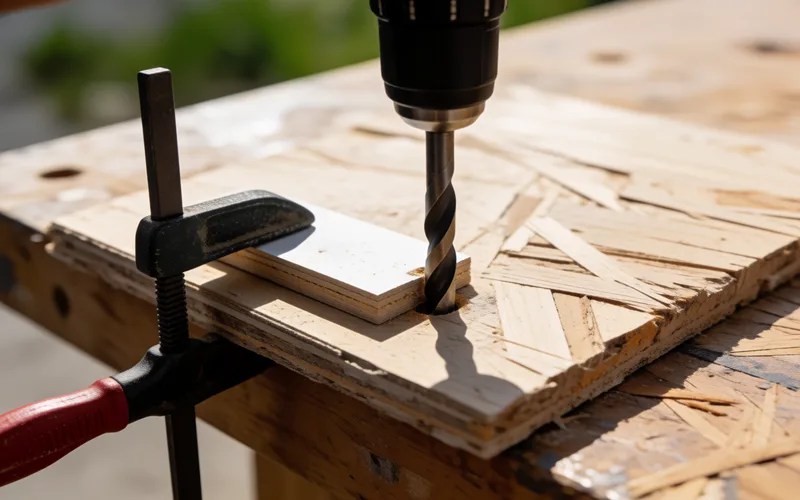 Clamp a scrap board under the drill spot to stop blow-out
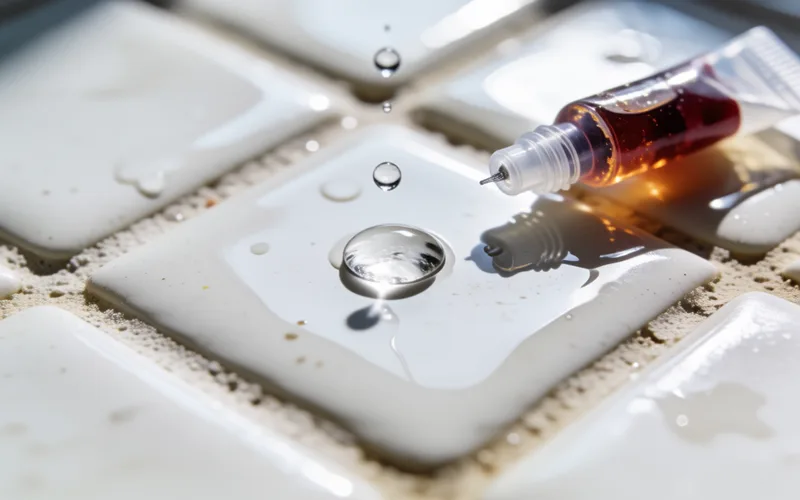 Cure a fresh superglue spot with water
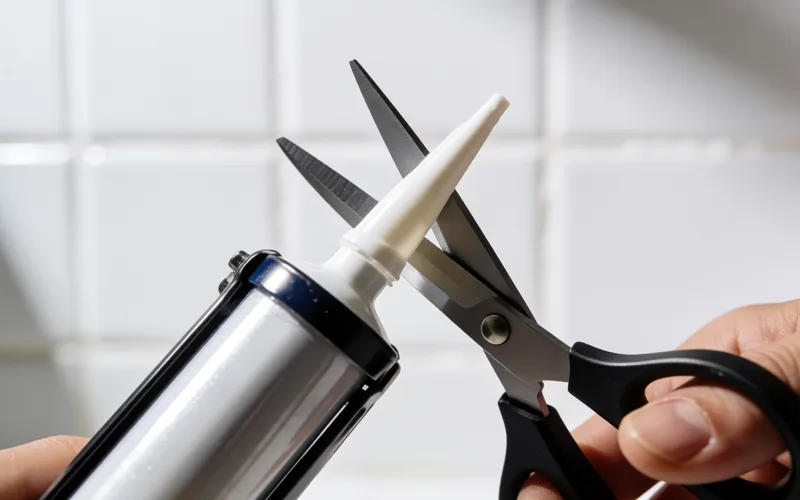 Cut the silicone nozzle at a 45-degree angle
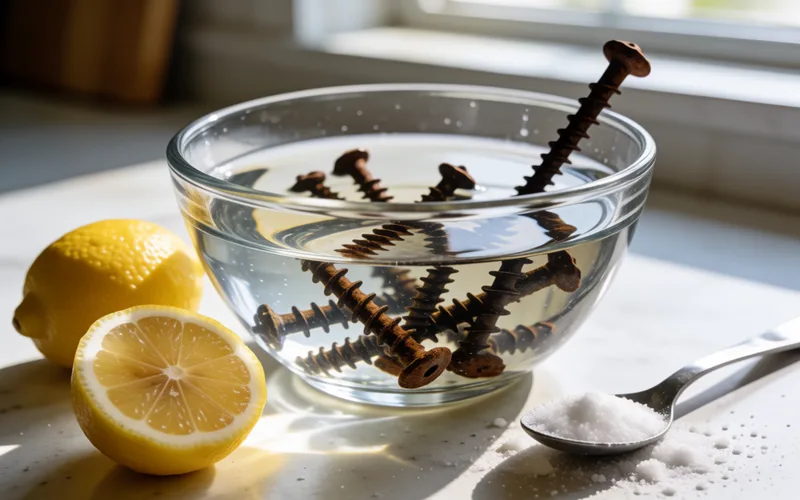 Dissolve rust with acid: 3 percent citric acid solution, cola or a vinegar-oil mix
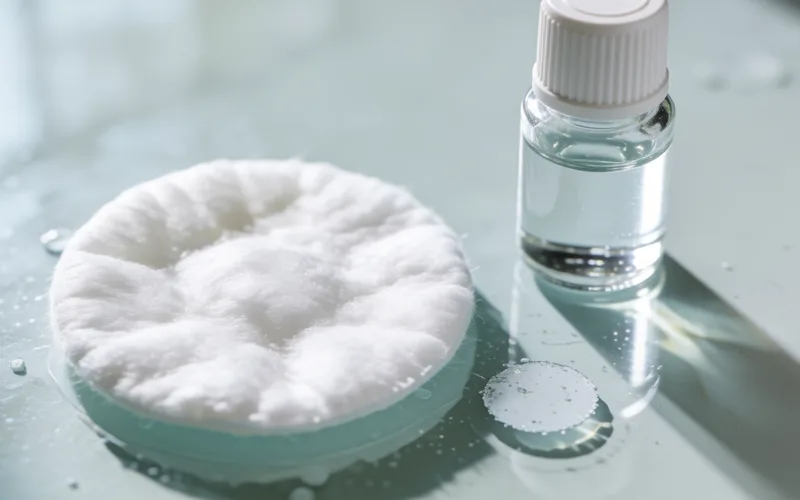 Dissolve superglue on surfaces with acetone
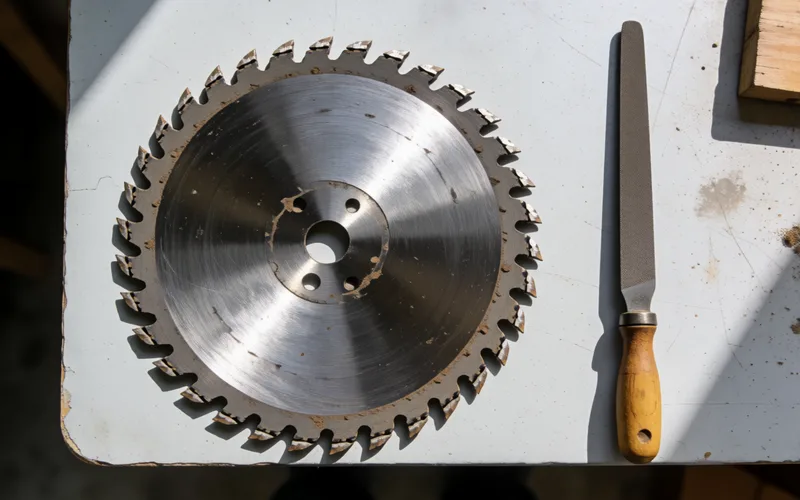 Do not file a carbide-tipped saw blade
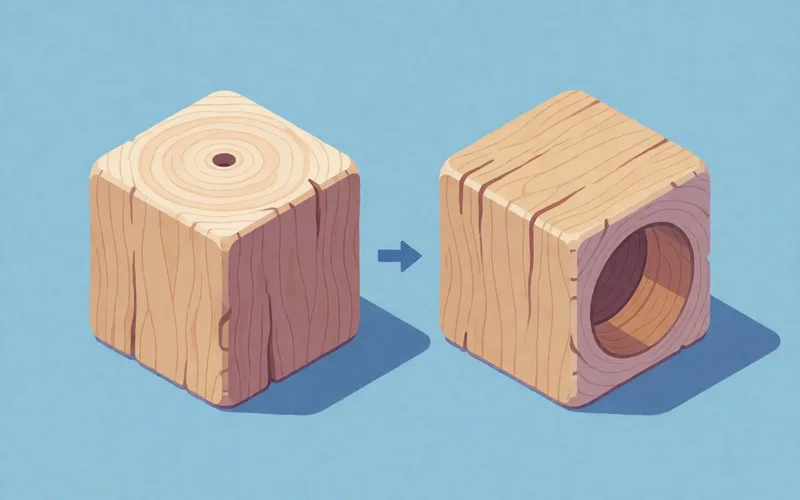 Drill from both sides until the center point breaks through
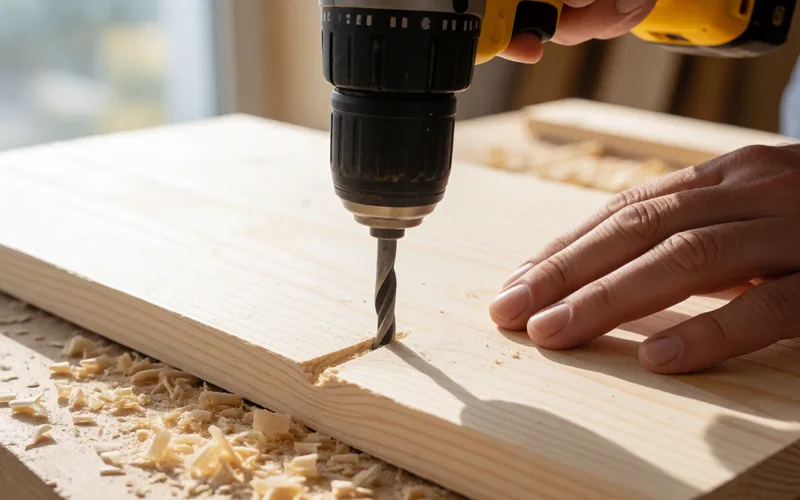 Ease off the pressure just before the bit breaks through
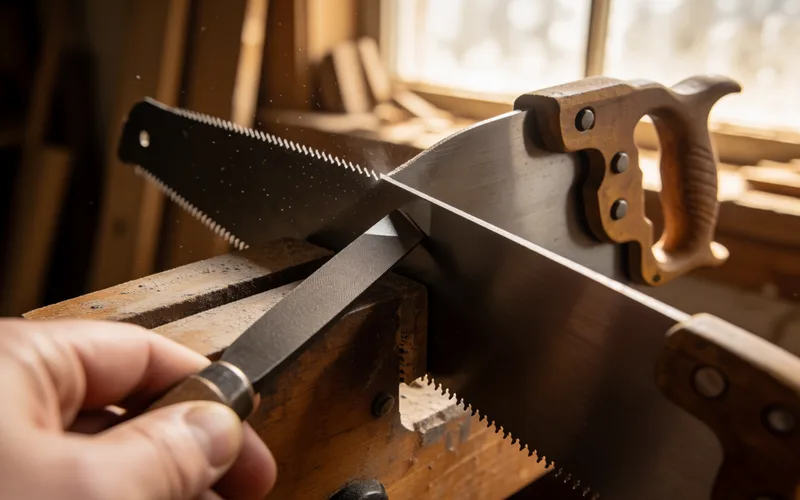 File a saw blade by hand – only if the teeth are not hardened
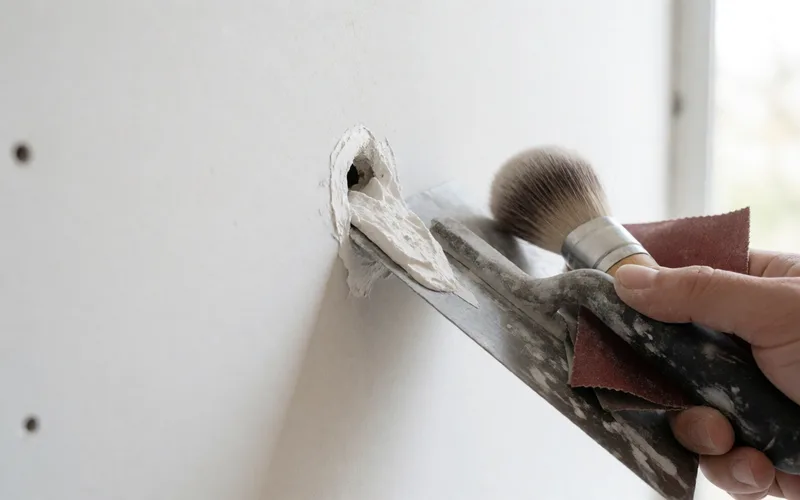 Fill an anchor hole in drywall with filler
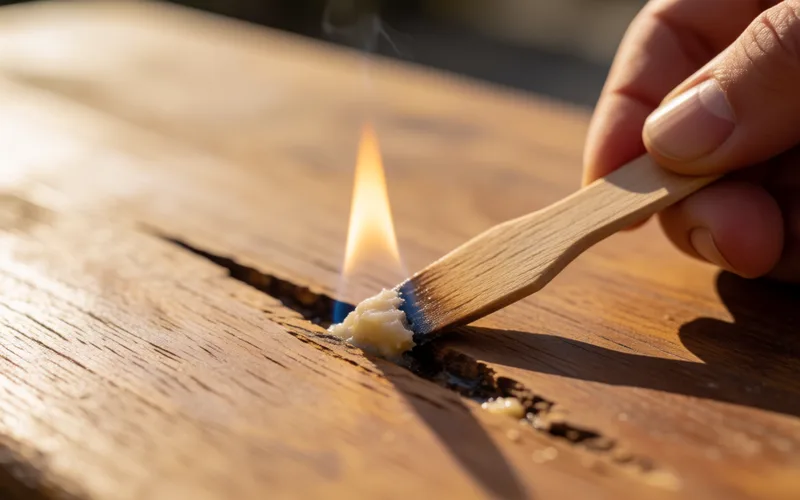 Fill deep wood scratches with wax filler, warmed first
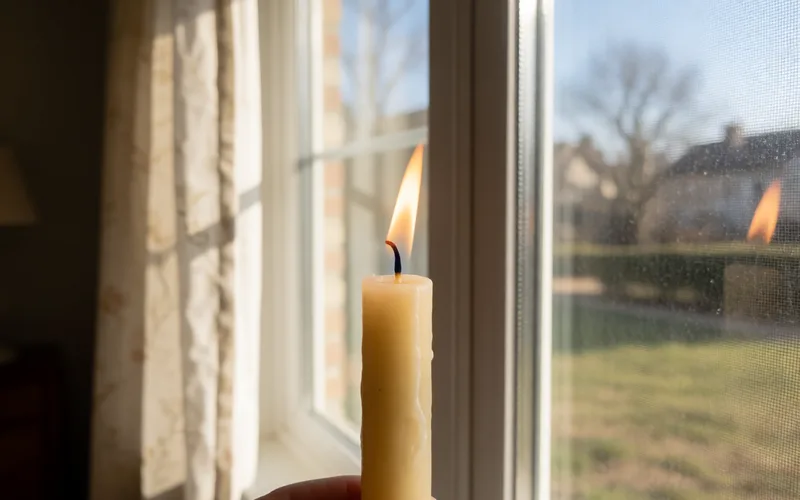 Find draughts at the window with a candle flame or incense cone
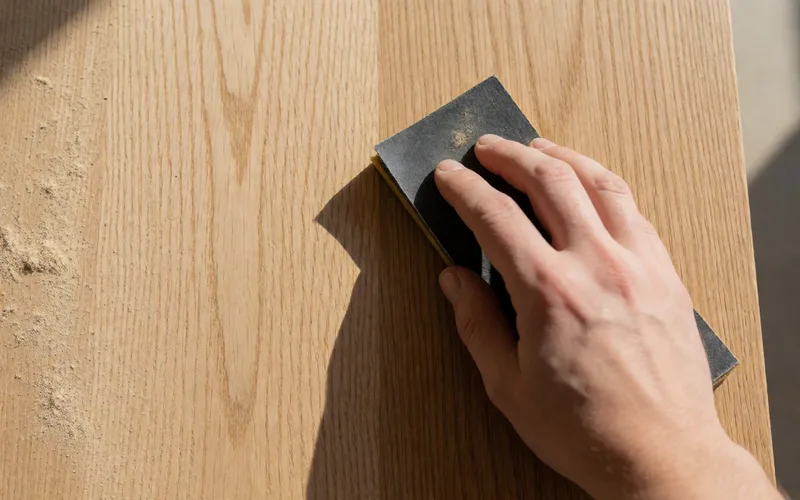 Finish sanding along the grain with light pressure
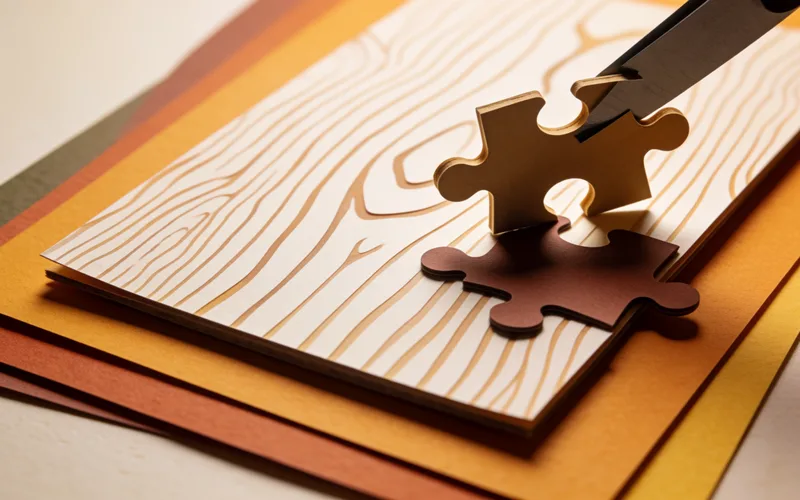 Jigsaw with the good face down
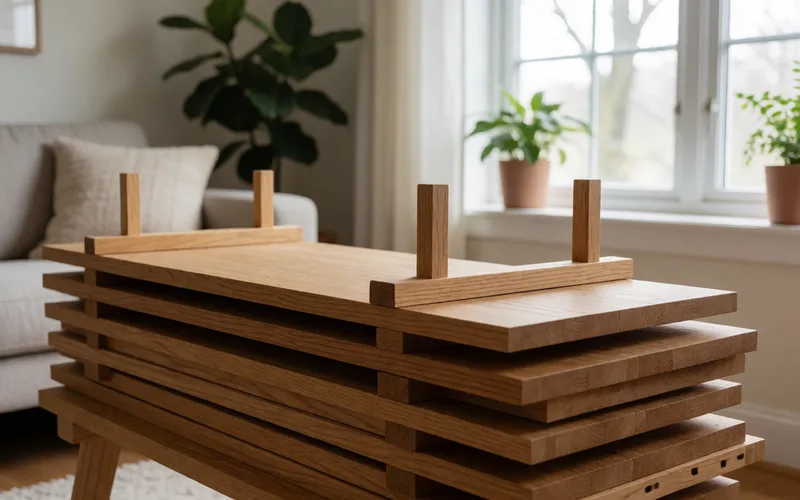 Let wood adjust to the room for 24 hours before gluing
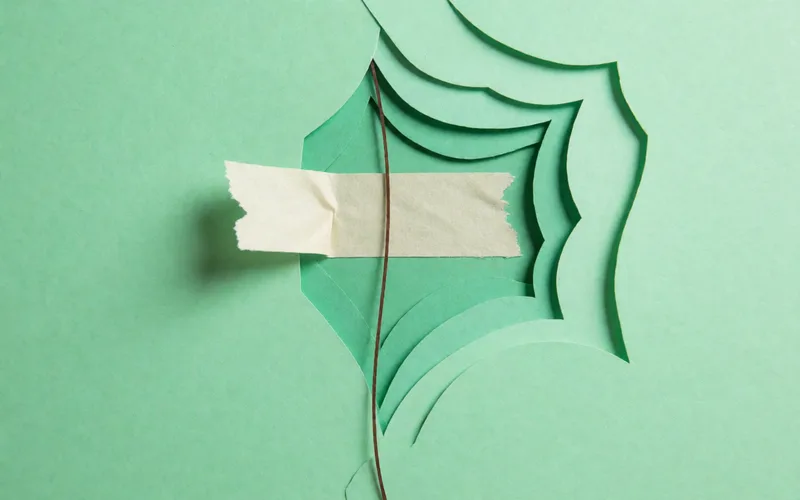 Lift a loose brush hair from wet paint with masking tape
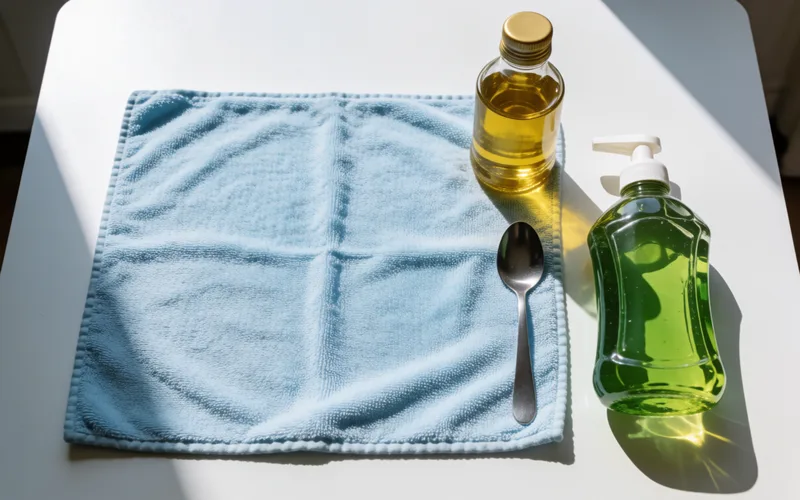 Loosen superglue from fabric with cooking oil
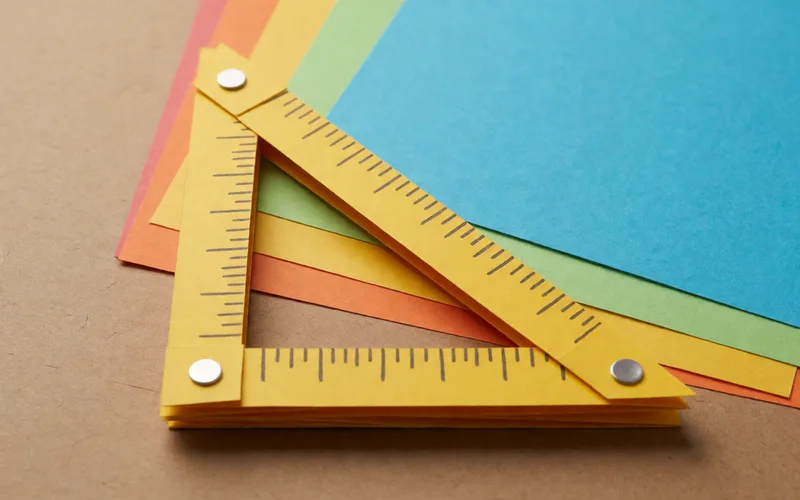 Mark a right angle with a folding rule, no square needed
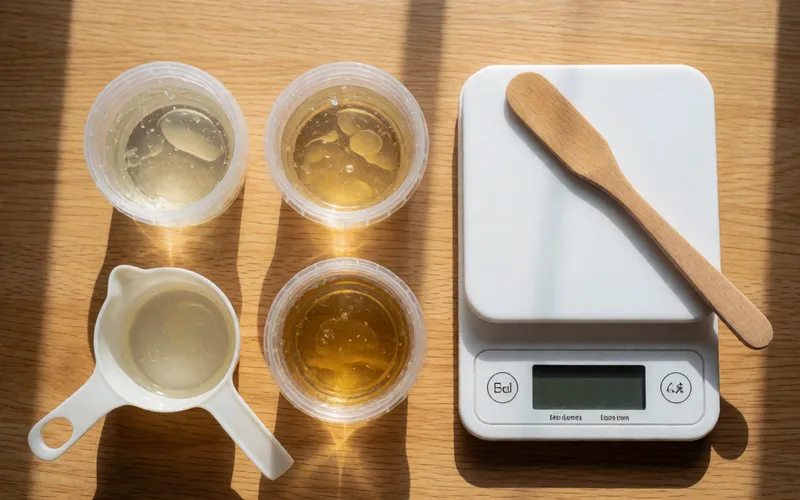 Mix epoxy exactly according to the data sheet
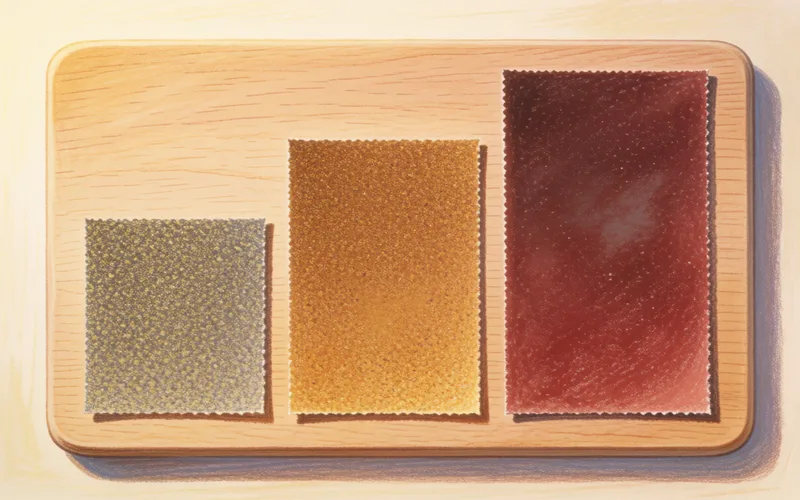 Never skip grit steps when sanding wood
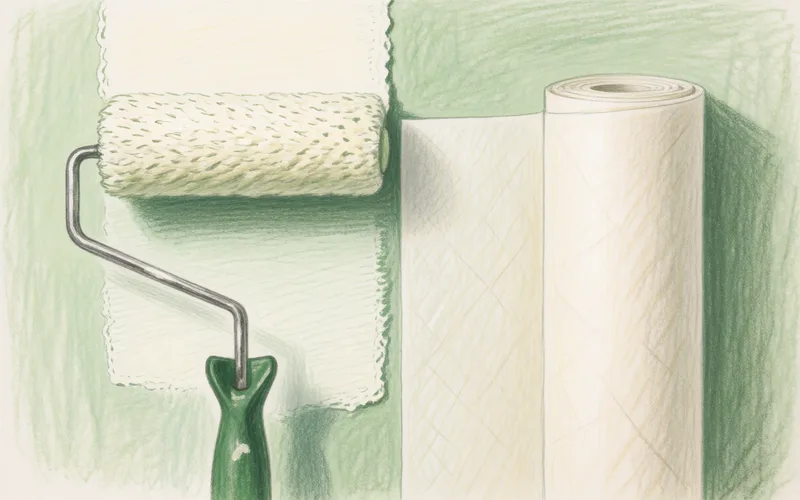 Non-woven wallpaper: paste the wall, not the strip
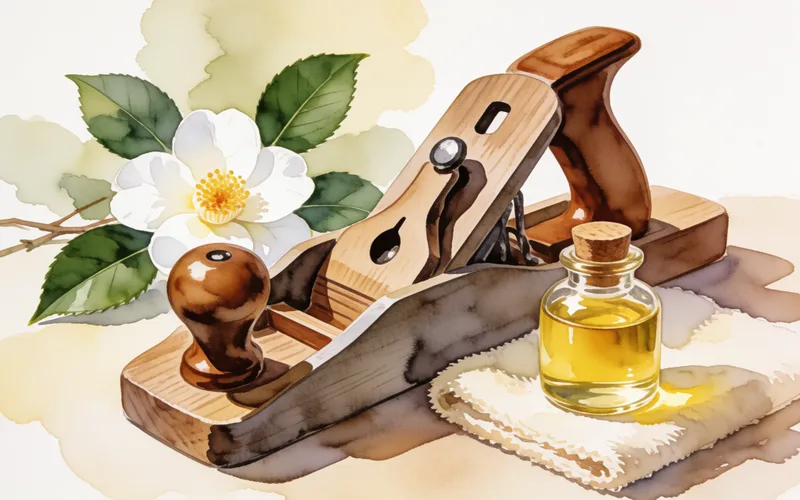 Oil the plane lightly after each use with camellia oil
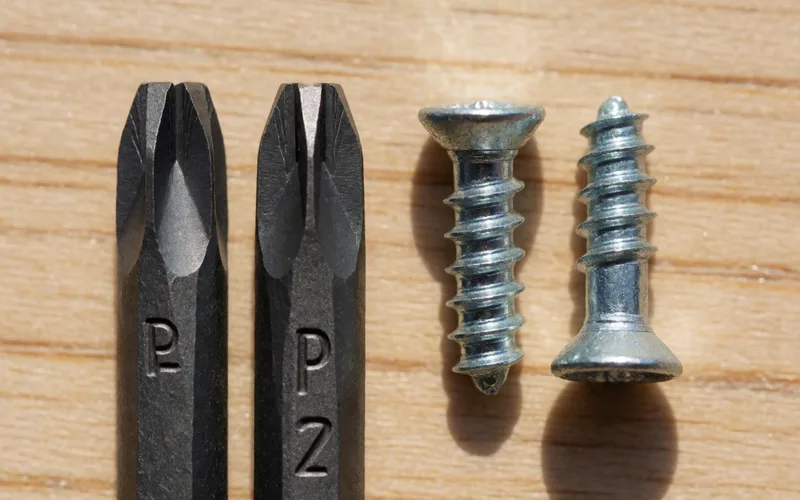 Phillips bit slipping: check Ph vs. Pz and press harder
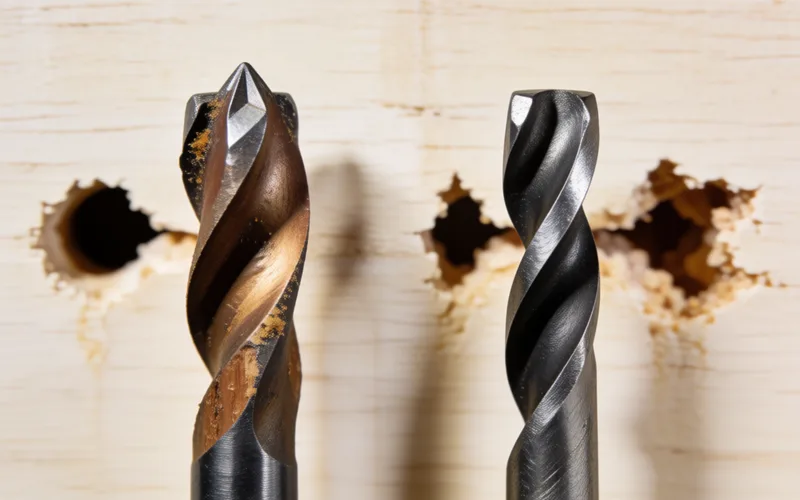 Pick a wood spur bit over a metal bit for clean holes
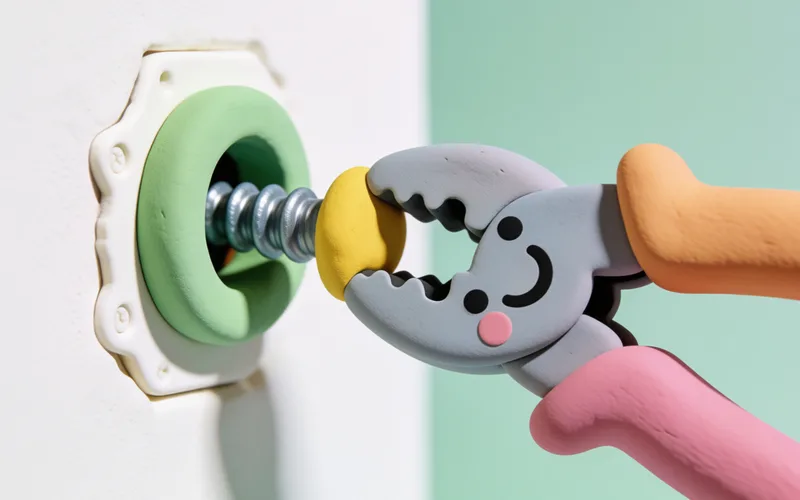 Pull a plastic wall plug out by screwing into it
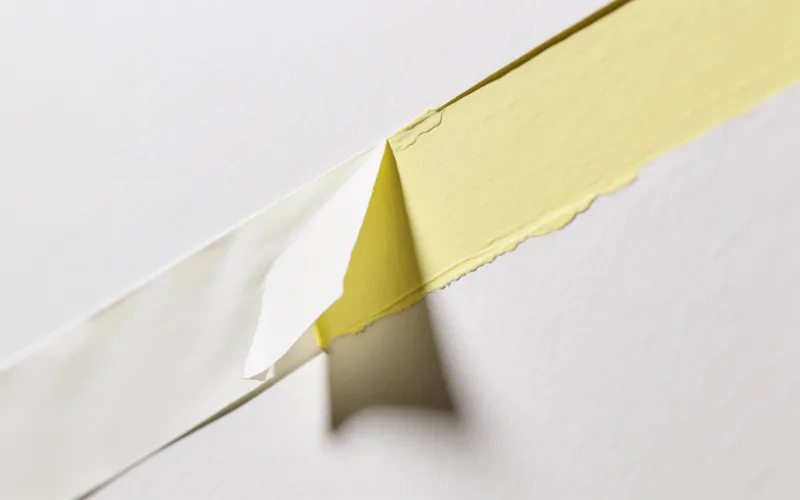 Pull painter's tape off slowly at a 45-degree angle
 Put flat washers under clamps to avoid dents
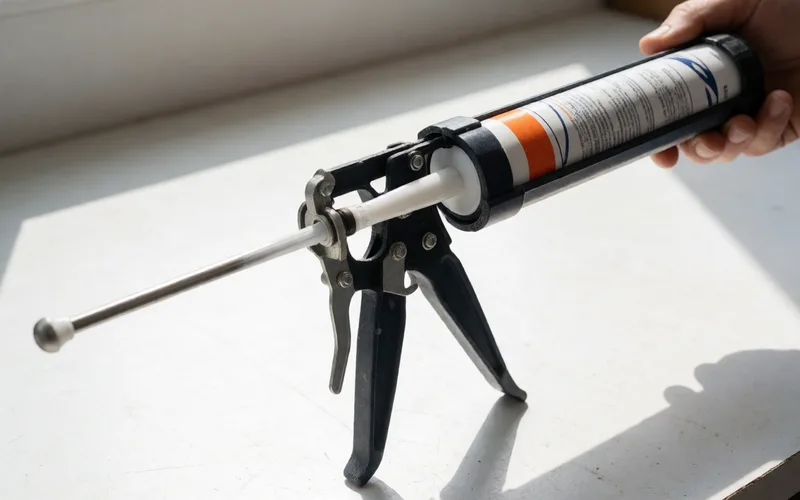 Release the caulking gun before changing the cartridge
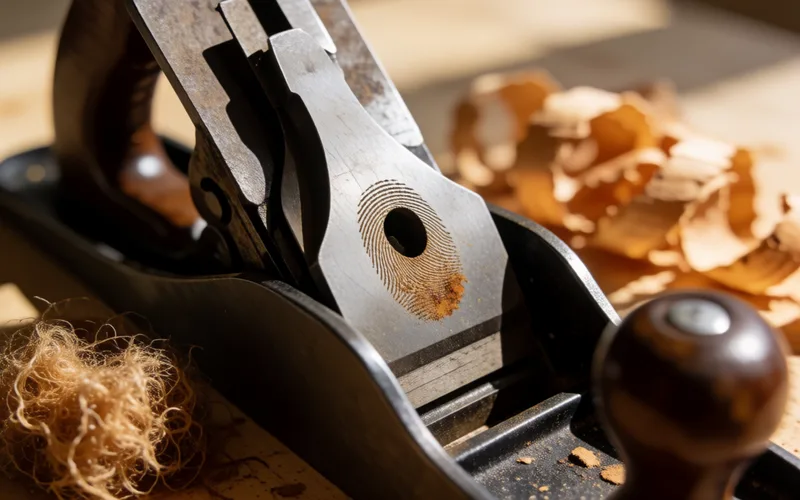 Remove a fingerprint rust mark from an iron plane
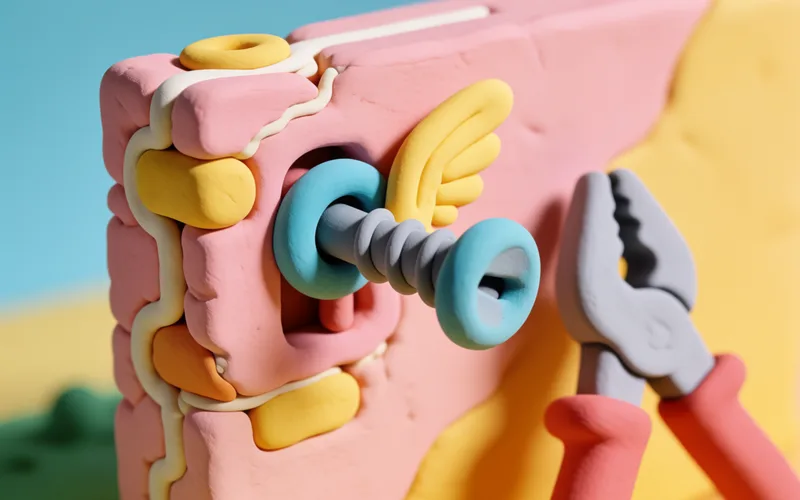 Remove a toggle bolt by threading a screw into it
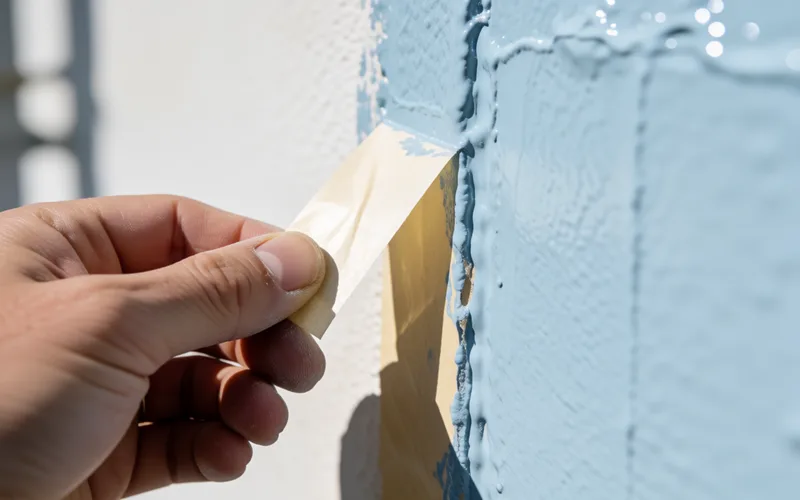 Remove masking tape while the paint is still wet
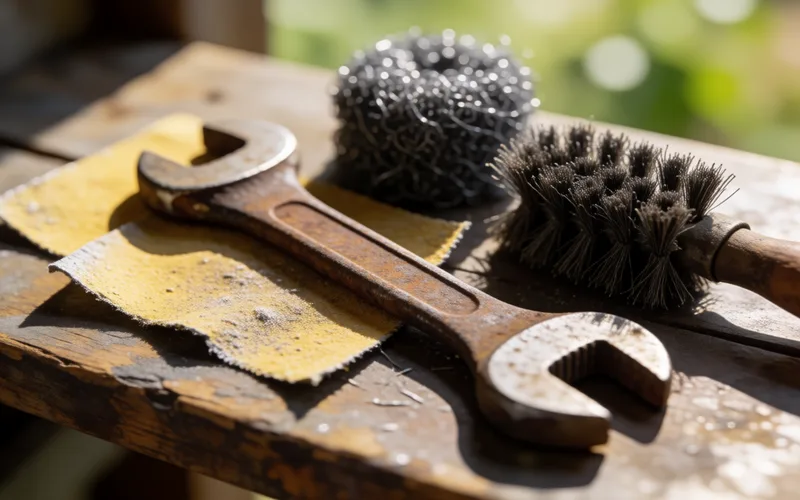 Remove stubborn rust mechanically
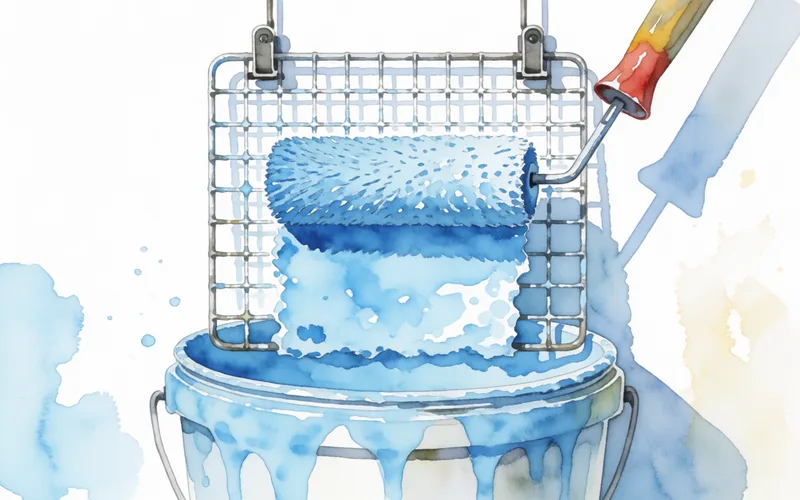 Roll paint off on a grid instead of straight from the bucket
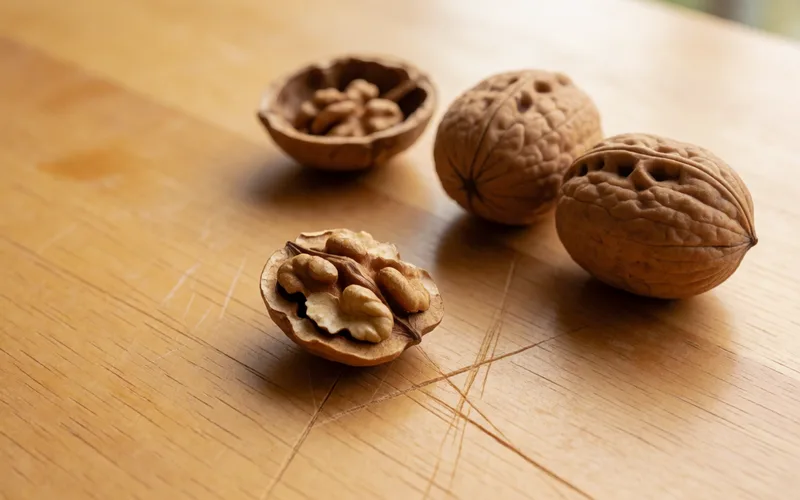 Rub a walnut over light scratches in wood
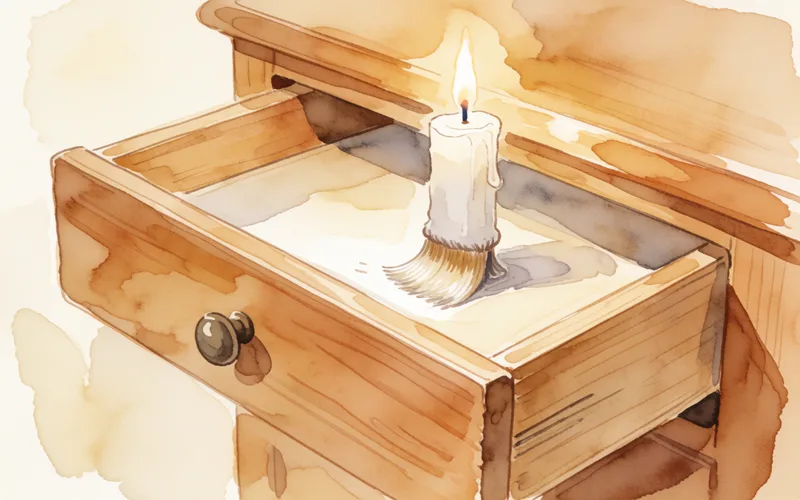 Rub candle wax on the runners of a sticking wooden drawer
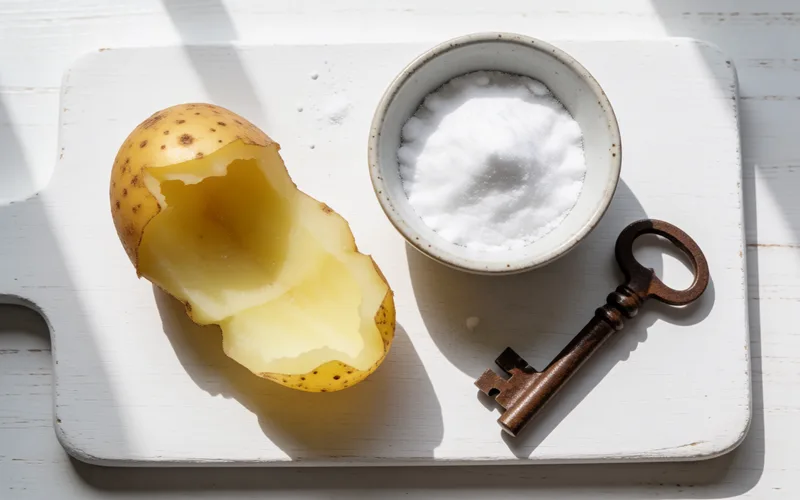 Rub off light rust with a potato peel and baking soda
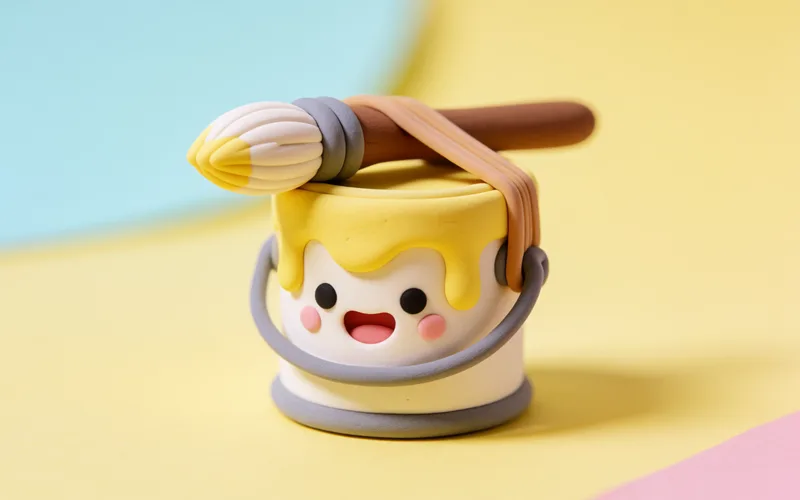 Rubber band around the paint can to scrape excess paint
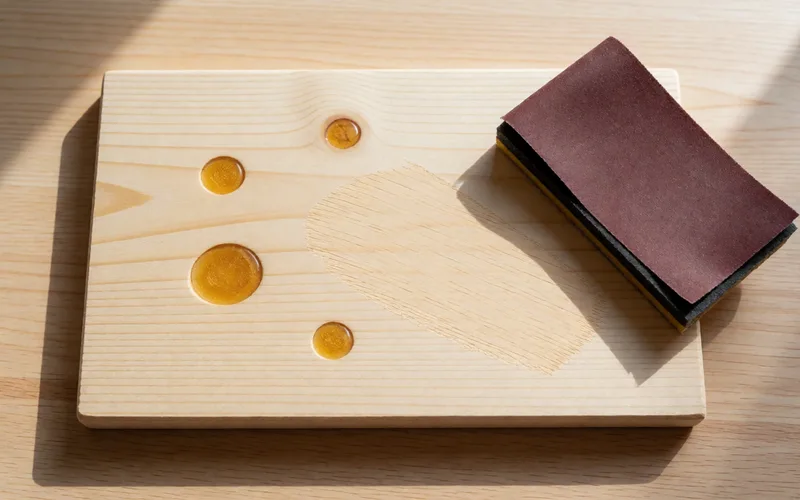 Sand resinous softwood with open-coat or coated paper
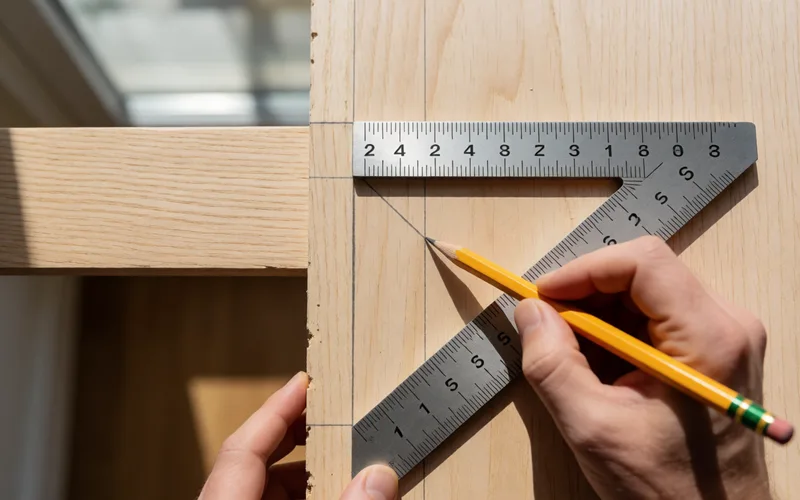 Scribe parallel lines with a framing square
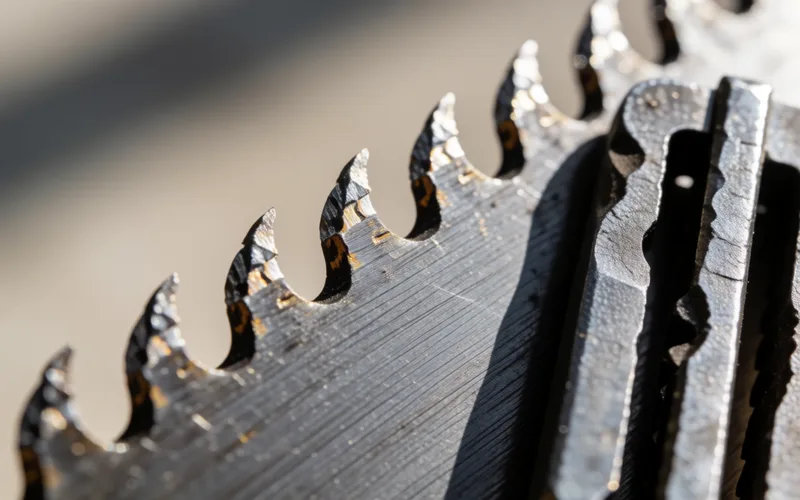 Set saw teeth by bending them alternately
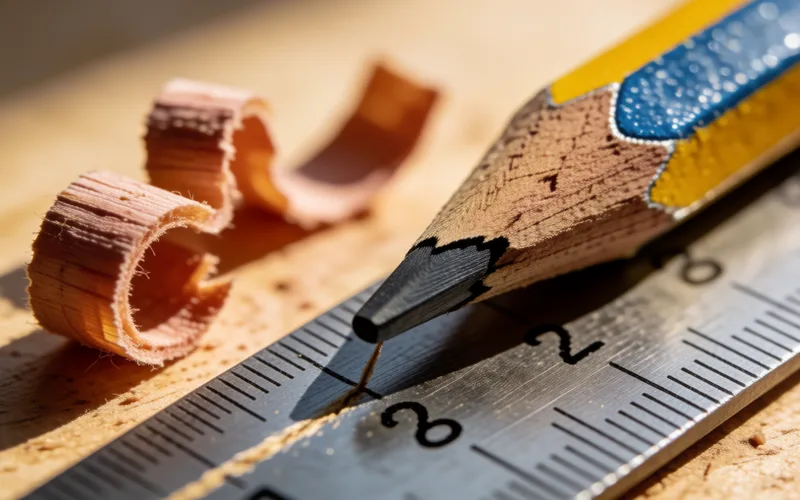 Sharpen a carpenter's pencil flat for fine scribe lines
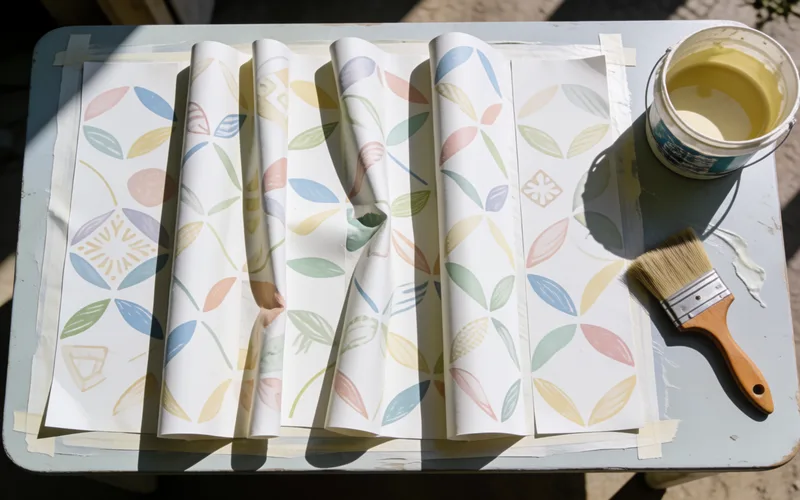 Soak all wallpaper strips for the same time
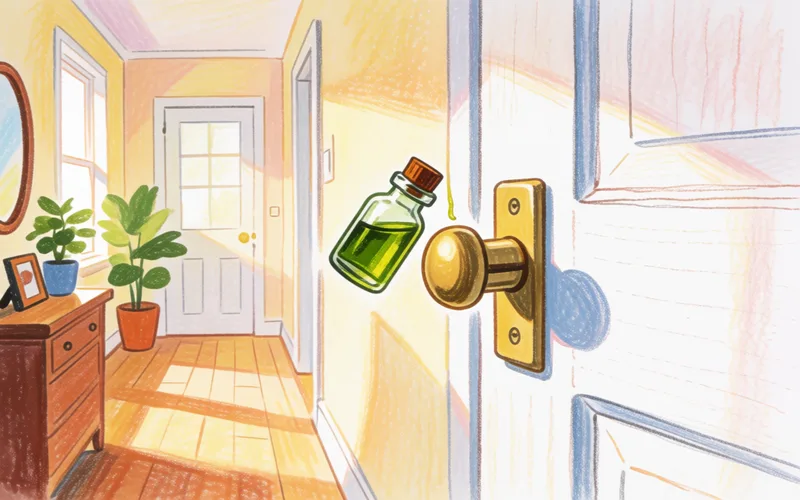 Squeaking door: oil the hinges instead of replacing them
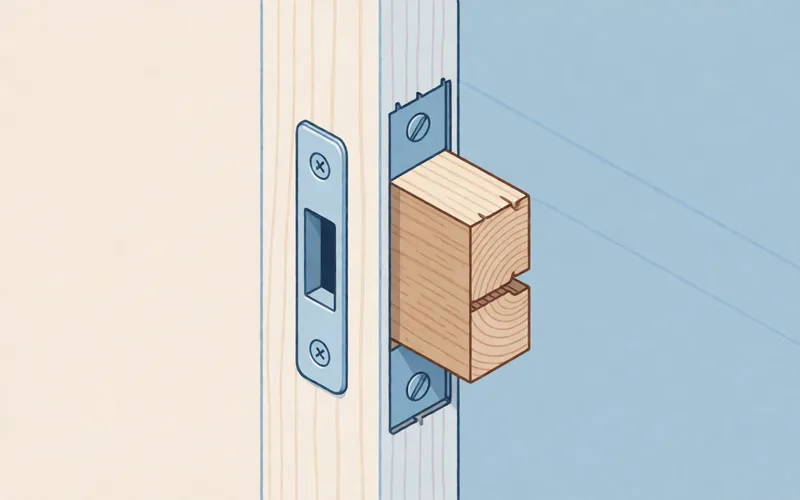 Sticking door: check the strike plate, reinforce the frame with a timber block
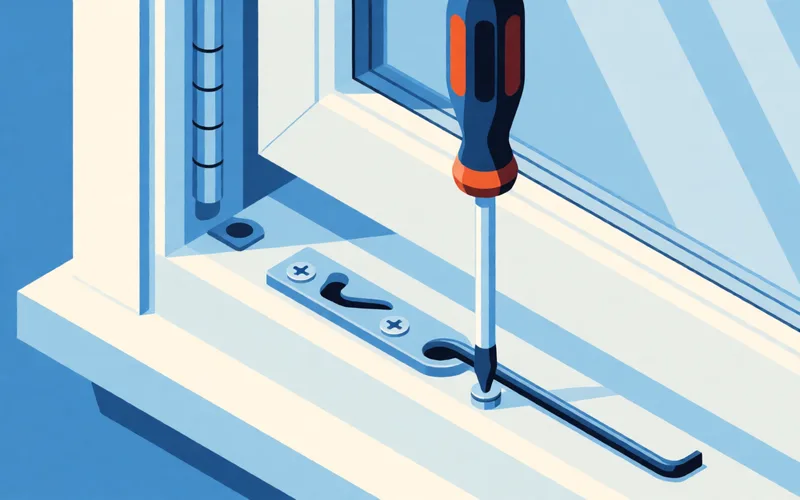 Sticking window sash: tighten fittings first, then adjust the set screws
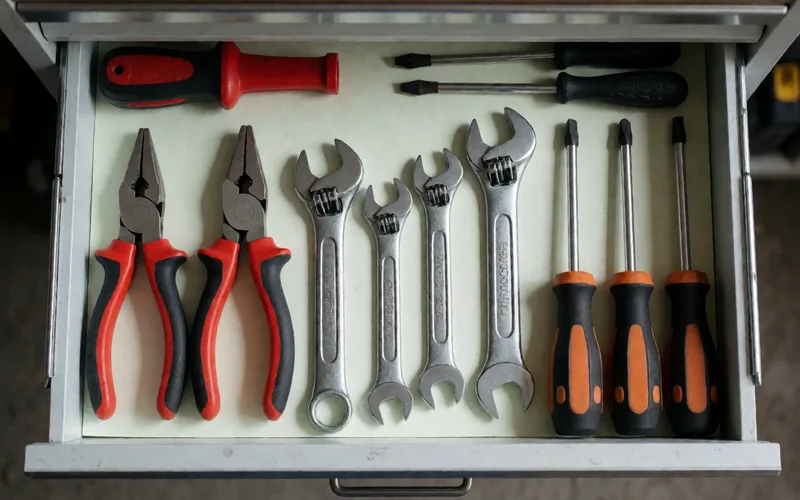 Store tools in a closed cabinet with VCI paper
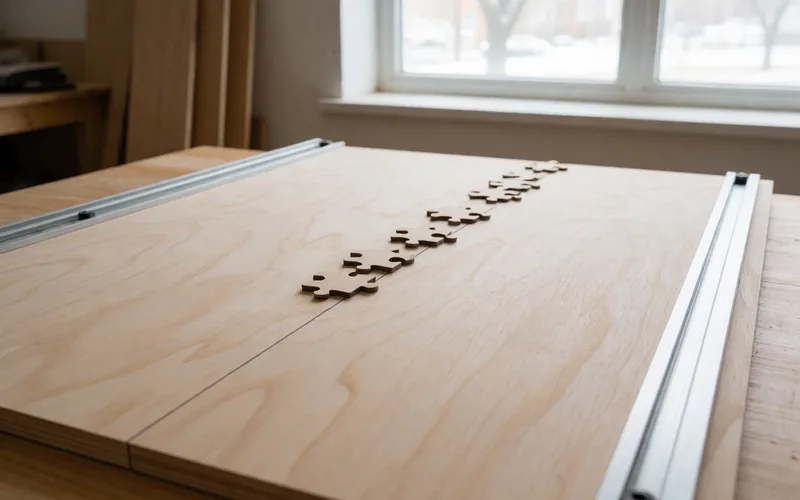 Straight jigsaw cuts with a guide rail
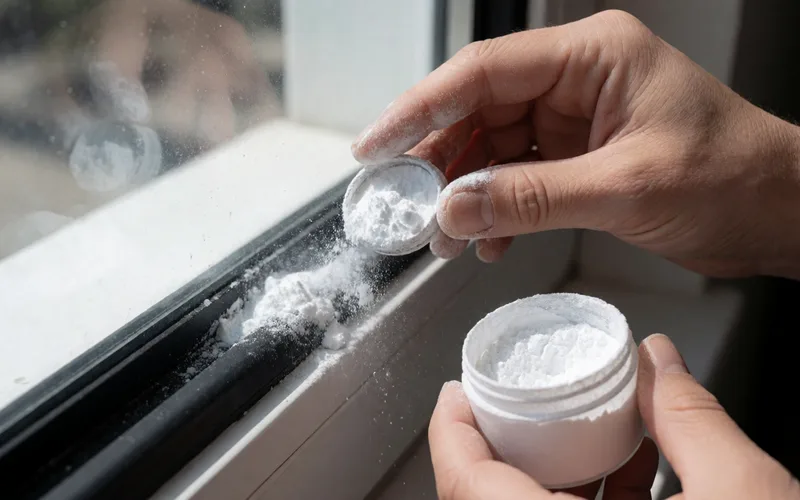 Talc on rubber seals to stop them sticking
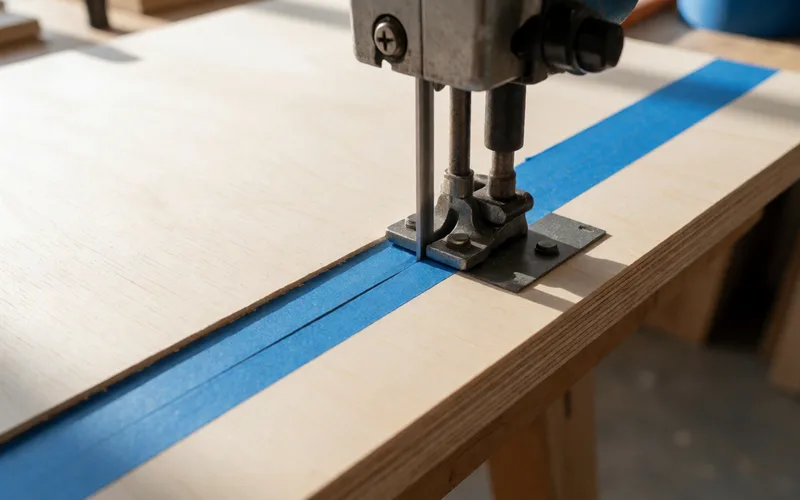 Tape the cut line to prevent chipping when jigsawing
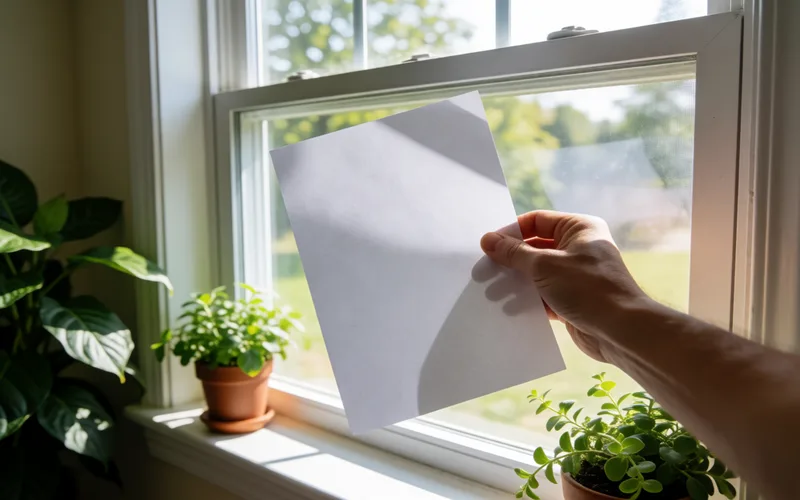 Test a window seal with a sheet of paper
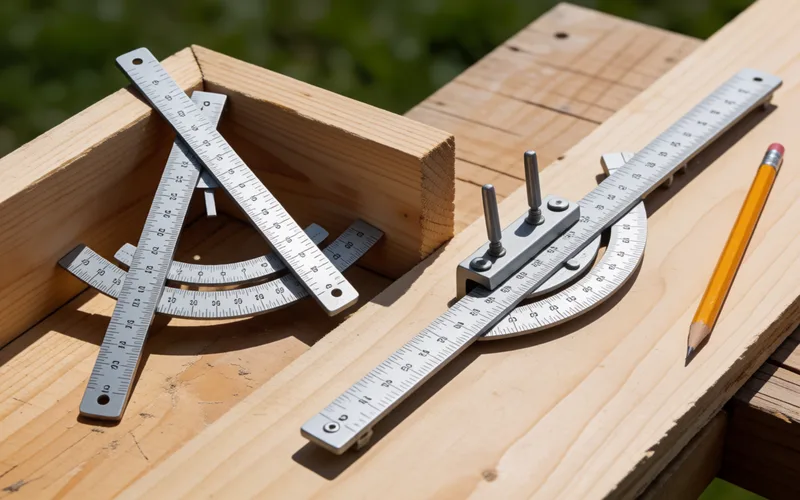 Transfer an angle with a bevel gauge without knowing its value
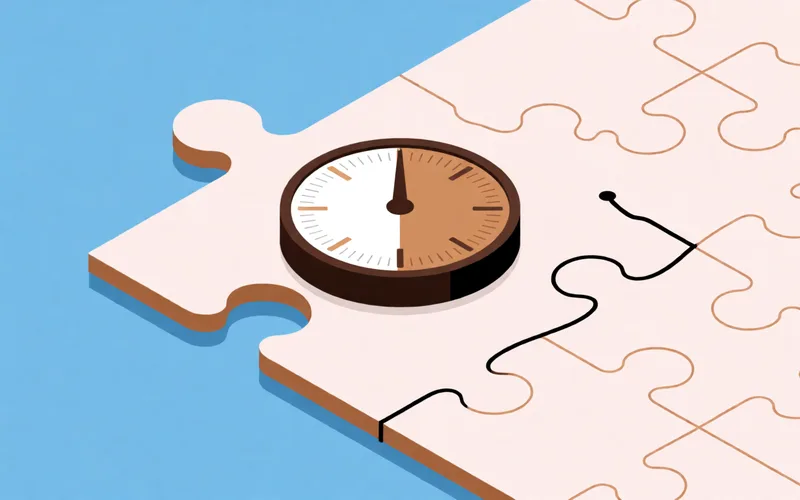 Turn off the orbital setting on a jigsaw for cleaner cuts
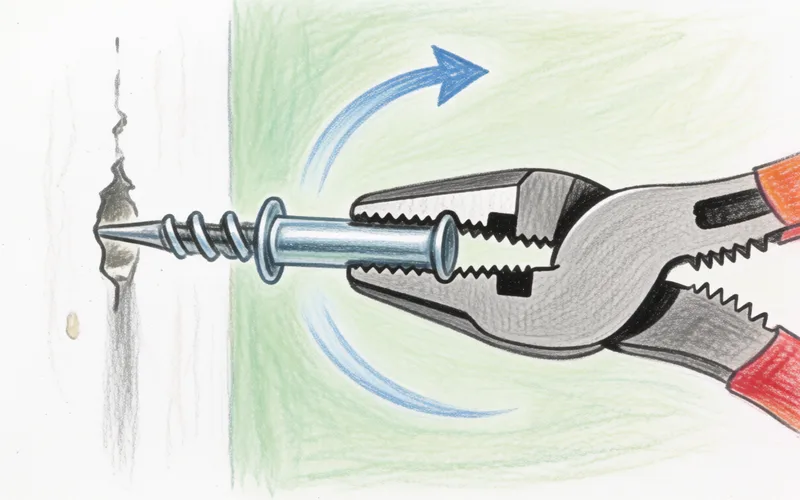 Unscrew self-drilling plasterboard anchors instead of pulling them
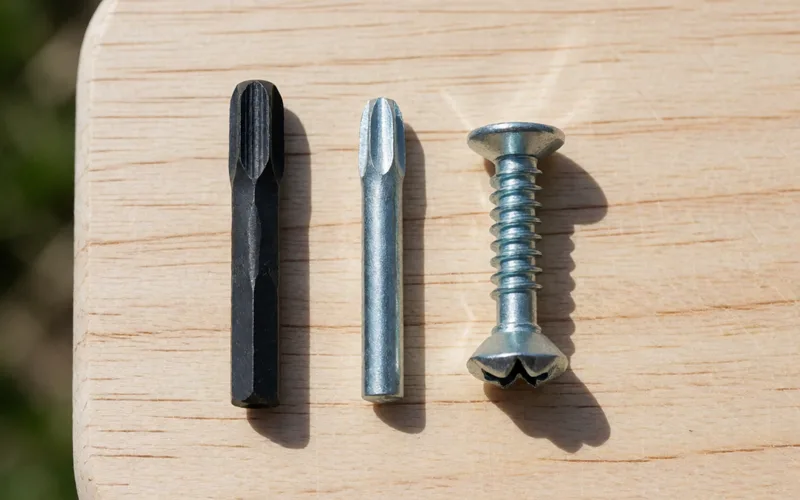 Use Torx instead of Phillips to protect screw heads
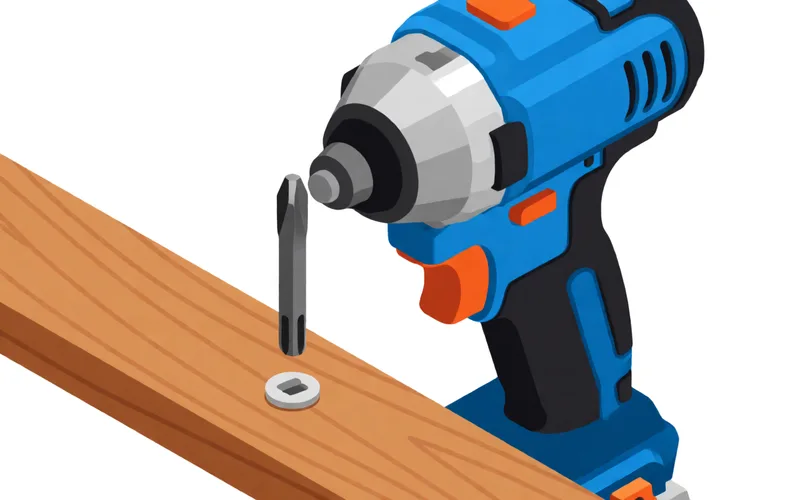 Use a manual impact driver on a damaged screw
 Use an old nautical chart as a paint shield
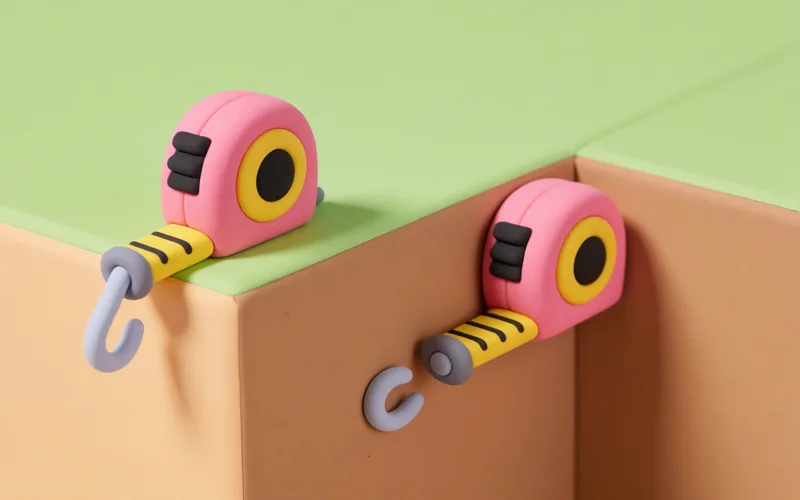 Use the play in the tape measure hook for inside and outside dimensions
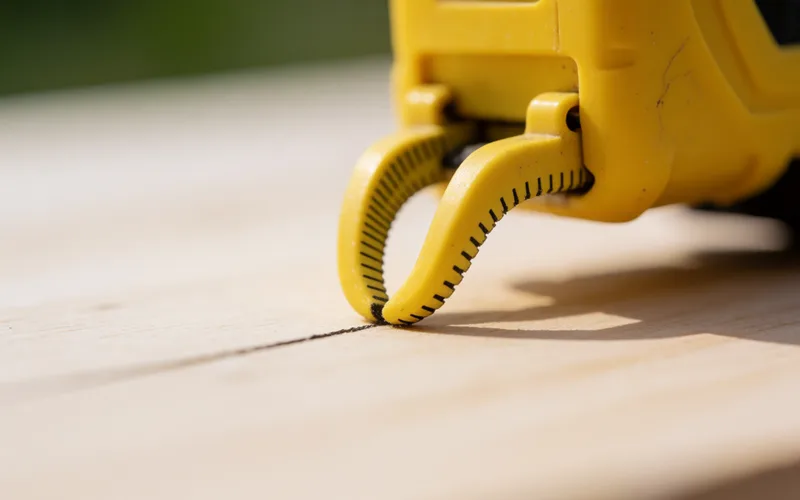 Use the serrated edge of the tape hook as a scribe
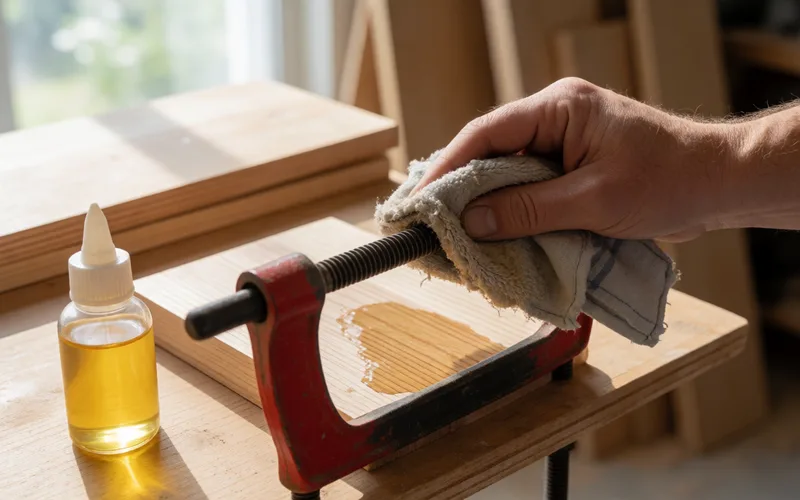 Wipe clamp spindles with Ballistol so glue slides off
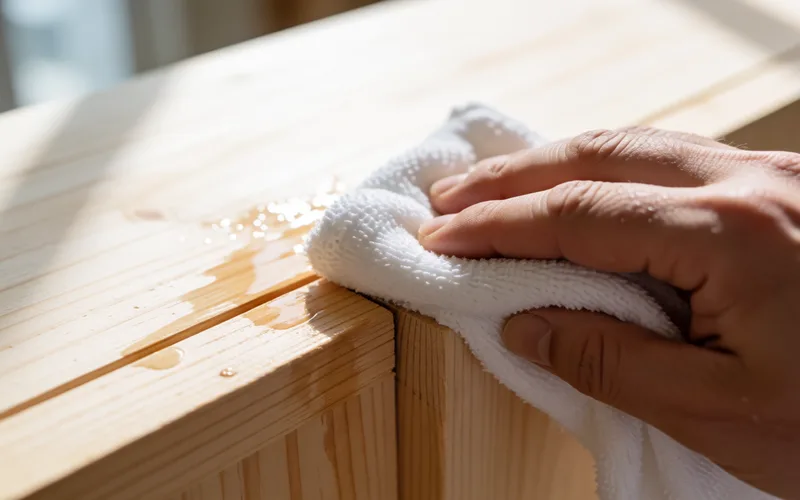 Wipe glue squeeze-out right away with a damp cloth
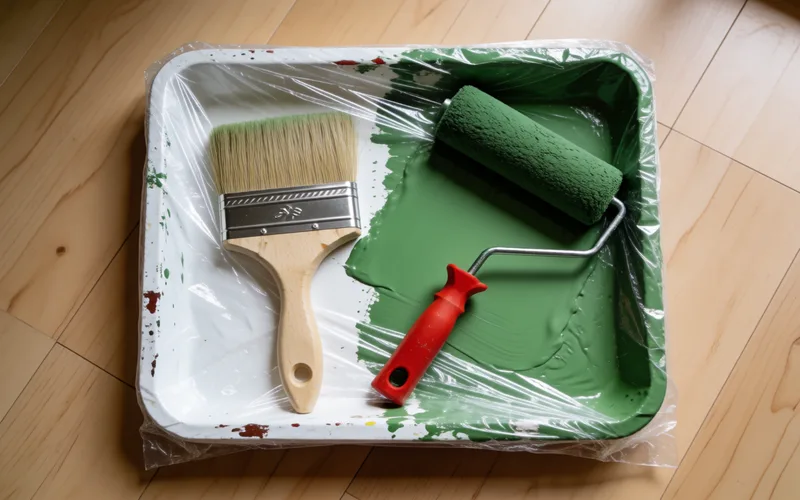 Wrap brush and roller in cling film during paint breaks
